
Toledo, OH and Northwest Ohio
Deck Builders in Waterville, OH
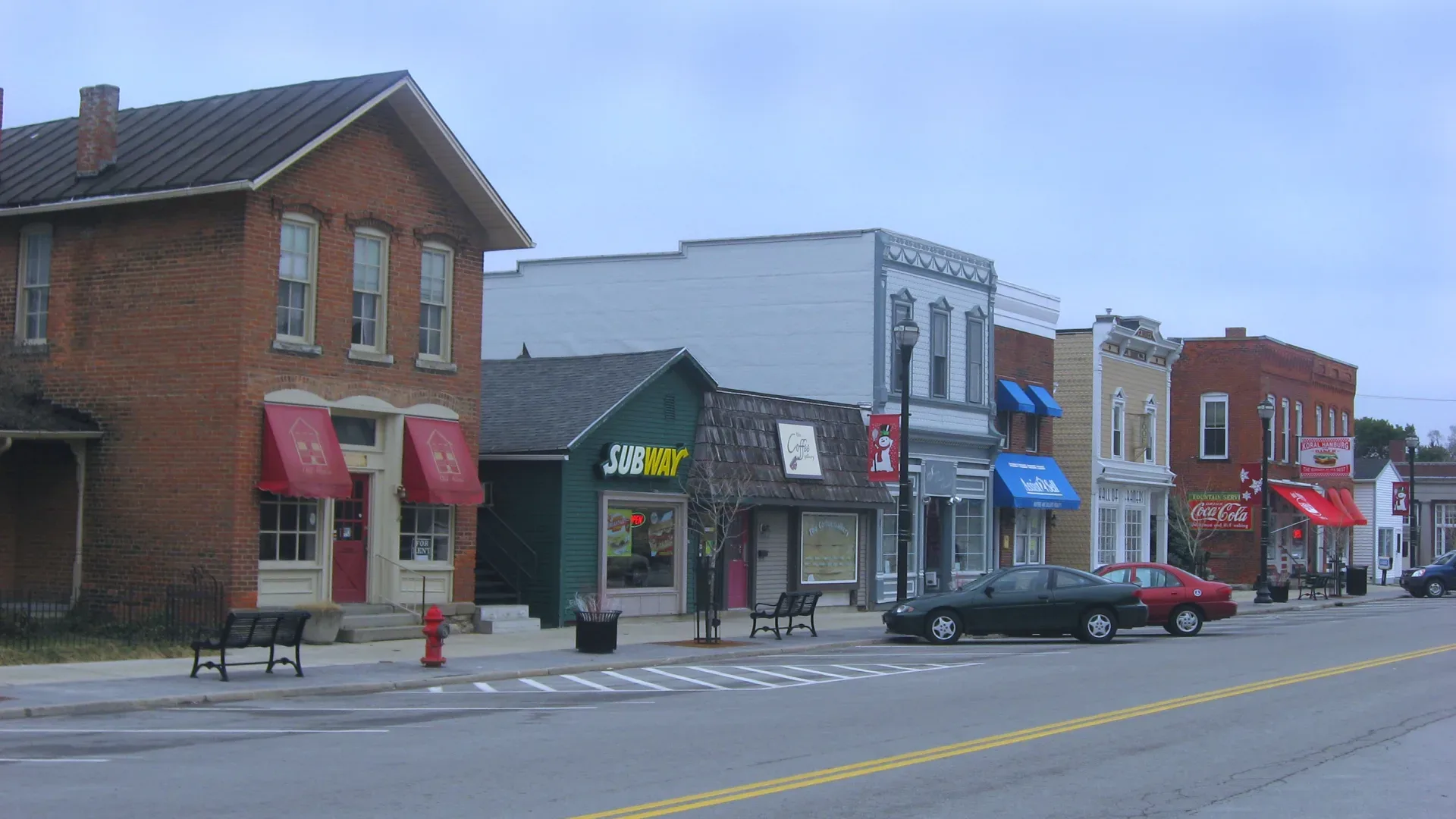
Decks built for a canal era town on the upper Maumee River, where a Historic Overlay District Certificate of Appropriateness applies close to the historic core and Lucas County handles plan review everywhere else. A named material specification and a drawing before a post goes in.
- Footings built for this frost line
- Permits and inspections handled
- Written scope before we start
Toledo Custom Decks builds decks across Waterville, a small canal era town on the upper Maumee River. The City of Waterville issues a zoning permit, Lucas County Building Regulations handles plan review, the building permit and inspection, and a home inside the Historic Overlay District also needs a Certificate of Appropriateness from the City before certain exterior work proceeds.
Original village lots sit close to the river and the old canal route, with newer development spreading out from the historic core. The two halves of Waterville call for genuinely different approaches, and we design to whichever one a specific property falls into rather than a single village wide default.
Why a Waterville deck depends on where it sits
A Historic Overlay that adds a second approval
Properties inside the Historic Overlay District, centred on Historic Downtown Waterville, need a Certificate of Appropriateness from the City of Waterville before certain exterior work proceeds, on top of the standard Lucas County building permit. We confirm whether a specific address falls inside the overlay before drawing a layout, since the answer changes both the design constraints and the schedule.
River and canal adjacent setbacks
Lots near the Maumee River or the former Miami and Erie Canal route carry a water adjacent setback beyond the standard rear setback, and the grade on these older lots frequently calls for a different footing approach than flat interior ground. We walk every property near the water or the historic towpath before drawing a layout.
Newer development outside the historic core
Away from the river and the original village streets, Waterville has newer development on larger, flatter lots where neither the Historic Overlay nor river grade apply. Here the standard county permit process governs, and the deck can generally be sized to the yard rather than a defined historic footprint.
The projects that define Waterville
Timber decks inside the Historic Overlay
Cedar and pressure treated timber suit the original village lots well, both because a natural grain finish tends to read correctly against period architecture and because a Certificate of Appropriateness application is often more straightforward with a material and style that matches what is already common in the historic core.
Composite decks on newer village lots
Outside the overlay, composite remains the default on the larger, newer lots spreading from the historic centre, sized similarly to what suits the wider lots in neighbouring Sylvania and Perrysburg.
Decks built to a river or canal setback
On lots near the water or the old canal route, layout and footings are designed around the setback and the grade from the start, one of the more site specific builds in our service area.
What Lucas County and the City of Waterville ask for
A standard county framing plan for most properties
Footing depth, joist spacing for the decking product specified, ledger attachment and guard construction, reviewed by Lucas County Building Regulations the same way as the rest of our Lucas County service area.
A Certificate of Appropriateness inside the overlay
For a property inside the Historic Overlay District, the City of Waterville reviews the proposed deck’s visibility and exterior impact before the county permit process proceeds. We prepare this application alongside the standard framing plan rather than sequencing them as two unrelated steps.
Water and canal route setbacks confirmed before design
Any lot near the Maumee River or the former canal route gets its setback and grade confirmed at the site walk, since the historic surveys covering these older village lots do not always reflect a boundary or a waterline that has shifted over the better part of two centuries.
What we find behind a Waterville ledger board
Historic core decks needing period appropriate correction
Inside the overlay, we occasionally find a deck built or repaired at some point without regard for the district’s character, functional but out of step with the surrounding homes. A rebuild is a chance to correct that while also addressing whatever structural issue prompted the replacement.
River adjacent decks showing real wear
Decks close to the Maumee River or the old canal route see more moisture exposure than an interior lot, and ledgers without proper flashing are the most common finding on older builds near the water. We assess the frame honestly before recommending a rebuild over a repair.
What you will have in hand before we start
Footing depth, joist spacing, the county permit number, and if the Historic Overlay District applies to your address, the Certificate of Appropriateness reference too, all confirmed in writing rather than taken on faith. For a ballpark number before that first call, try the calculator on the deck cost guide.
Deck cost in Waterville, OH
Why homeowners pick Toledo Custom Decks
Footings built for this frost line
Northwest Ohio sits deep enough in the Lake Erie snowbelt that local jurisdictions generally call for footings well past 32 inches, deeper than central or southern Ohio requires. Every post we set lands on a poured footing sized to the depth your jurisdiction sets, which is what keeps a deck level through a decade of freeze and thaw.
Permits and inspections handled
We work out which department your address answers to, whether that is the City of Toledo, a suburb running its own building office, or Lucas or Wood County, pull the permit, meet the inspector and hand you the signed card. An unpermitted deck becomes your problem the day you sell the house.
Written scope before we start
Materials, framing spec, hardware, timeline and price in writing before anybody swings a hammer. No verbal change orders.
Deck questions from Waterville homeowners
Who issues a deck permit in Waterville?
The City of Waterville issues a zoning permit first, and Lucas County Building Regulations then issues the building permit and carries out the inspections. A property inside the Historic Overlay District also needs a Certificate of Appropriateness from the City of Waterville before certain exterior work proceeds. We confirm which rules apply to your specific address before drawing a layout.
What is the Historic Overlay District and does it affect a deck?
It covers the original village core along Historic Downtown Waterville and the streets closest to the Maumee River and the old canal route, protecting the character of a settlement that dates to the canal era. A deck visible from the street or altering the exterior of a home inside the overlay generally needs a Certificate of Appropriateness from the City of Waterville before work begins, on top of the standard county permit. We handle that application alongside the building permit rather than treating it as a separate errand.
Does the Maumee River or the old canal route limit where a deck can go?
On lots close to the river or the former Miami and Erie Canal route, yes. A water adjacent setback applies on top of the standard rear setback, and the grade toward the river on these older village lots often calls for a different footing approach than a flat interior lot. We walk the site before drawing a layout on any property near the water or the canal towpath.
How deep do footings need to go in Waterville?
Lucas County generally calls for footings well past 32 inches, in line with the depth most of Northwest Ohio requires given how far the region sits into the Lake Erie snowbelt. We confirm the specific figure with the county for your address, since actual guidance can vary by location even within the same county.
When should a Waterville project be booked?
It depends whether your address is inside the Historic Overlay District. Inside the Historic Overlay District, start the conversation early, since the Certificate of Appropriateness adds its own timeline on top of the county permit. Outside the overlay, the usual advice holds: call before spring and you will beat the rush that hits the county office every April.